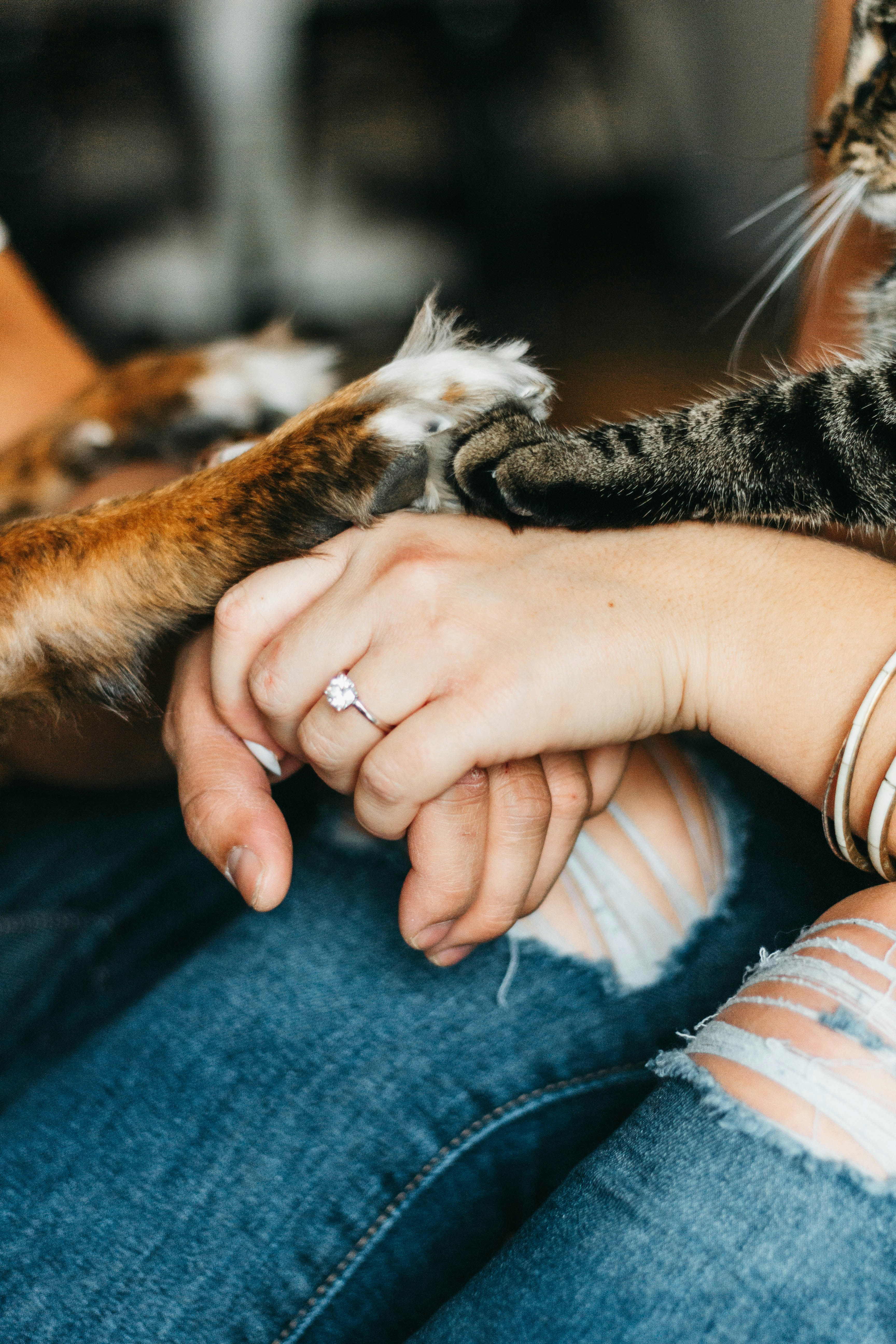
The loss of a pet is a genuine, significant grief — one that is sometimes minimised by people who have not experienced the particular bond between a person and their animal. If you are mourning your pet, your grief is valid. You loved them, and they are gone. That is enough reason to grieve.
For many people, a pet is among the most consistent presences in daily life — greeting you at the door, sleeping beside you, accompanying you through major life events. The loss of that presence leaves a very specific, very physical absence. The routine that revolved around them vanishes overnight. The silence they used to fill can be particularly hard.
What grief for a pet can feel like
Pet loss grief can include all the same emotions as any bereavement: sadness, anger, guilt, disbelief, and a profound sense of missing. It can also carry specific elements:
- Guilt, particularly when a decision was made to end their suffering. If you chose euthanasia to spare your pet from pain, that decision was an act of love — perhaps the final and hardest one.
- Disenfranchised grief — a sense that the world around you does not fully recognise the scale of the loss, which can make it feel more isolating.
- The absence of routine. The walks that no longer happen, the food bowl in the corner, the lead by the door. These daily reminders can extend the period of active grief.
Allow yourself to grieve without apology. You do not need to justify the depth of your feelings to anyone.
Ways to honour your pet
Creating a meaningful tribute can be part of the healing process. Some families find comfort in:
- Planting a tree or garden in their memory
- Creating a photo album or digital memorial with a shareable QR code
- Making a small donation to an animal rescue or welfare organisation in their name
- Having a paw print or portrait made as a keepsake
- Holding a small ceremony with the family — particularly important if children are grieving too
Looking after yourself and your family
Be patient with yourself and others in the household. Children often grieve very openly for pets and may need particular support and honesty. Other pets in the home may also show signs of distress — changes in behaviour, appetite, or energy — and benefit from extra attention and routine.
There is no set timeline for pet loss grief. Some people feel better within weeks; others carry the loss for months. If you are struggling, pet bereavement support lines and counsellors exist specifically to help — there is no shame in seeking them out.
When and whether to welcome a new pet into your life is entirely your decision. There is no right time, and no new pet replaces the one you loved. But for many people, eventually, caring for an animal again becomes a way of continuing to live fully.