
The most meaningful way to honor a pet is usually the simplest: light a candle, write your pet a letter, or gather a few loved ones for a small ceremony. Pair that ritual with one lasting keepsake, like a paw print casting or a memory box, and consider a living tribute such as a planted tree or a donation in your pet’s name. Many of the most healing options cost nothing at all. For families who want to keep those memories somewhere permanent and shareable, an online option like Memory Keep can hold the photos, videos, and stories alongside the physical rituals you choose.
TL;DR:
- Light a candle or write a letter to your pet to provide immediate emotional relief and create a lasting connection through quiet rituals.
- Keepsakes like paw print casts, memory boxes, and memorial jewelry offer tangible comfort, with costs ranging from $10 to $150 depending on the item.
- Planting a tree or garden bed with your pet’s remains creates a living memorial that can grow and change over time, though local planting rules should be checked first.
- Community acts such as donations to shelters or organizing memorial walks help extend grief support and honor your pet publicly or collectively.
- An online memorial, supported by platforms like Memory Keep, offers a permanent, shareable space for photos, videos, and stories, with a one-time fee of $15 for unlimited storage.
Table of Contents
- Pet Remembrance Day Ideas for Every Kind of Grief
- How to Choose the Right Kind of Pet Memorial for You
- Aftercare Guidance Worth Trusting
- Helping Children Take Part in Remembrance
- Creating a Lasting, Shareable Memorial Online
- A Few Trusted Places to Learn More
- What We’ve Learned From Watching Families Grieve Well
- Give Your Pet’s Memory a Permanent Home
- Sources
- FAQ
Pet Remembrance Day Ideas for Every Kind of Grief
Grief doesn’t follow a schedule, and neither should remembrance. Some ideas below take five minutes. Others take a weekend. All of them are legitimate ways to say goodbye, whether you’re marking National Pet Memorial Day on the second Sunday in September, the anniversary of your pet’s passing, or just a Tuesday when you miss them more than usual.
Quiet rituals that help right now
The American Veterinary Medical Association considers mourning a pet a normal, healthy response, and it recommends active rituals over passive waiting. Writing a letter, building a photo tribute, or setting aside a small space in your home are all practices the AVMA points to as genuinely useful, not just symbolic gestures.
- Light a candle at the same time each evening for a week, or every year on the anniversary of your pet’s death.
- Write a letter to your pet. The Association for Pet Loss and Bereavement singles this out as one of the most effective grief exercises available, precisely because it gives you somewhere to put words you never got to say.
- Hold a small gathering. Invite the two or three people who knew your pet best. Share one story each. It doesn’t need a guest list or a program.
- Observe National Pet Memorial Day. Established in 1971 by the International Association of Pet Cemeteries & Crematories, it gives grieving families a fixed date to return to each year, which some people find steadies the process.
Some memory specialists point out that the quietest rituals, whispering your pet’s name, walking the route you used to take together, holding their collar for a minute, tend to create a more lasting connection than anything elaborate or public. There’s no audience to perform for, so the moment stays honest.
Keepsakes worth keeping
A keepsake gives grief somewhere to land when a ritual ends. According to Loved, the keepsakes families return to most are pawprint impressions, memory boxes, and memorial jewelry, likely because each one is small enough to hold and specific enough to feel like your pet rather than a generic sympathy gift.
- Paw print or nose print casting. Kits run $10 to $25 and take about fifteen minutes if your pet’s paw is still soft enough (many vets offer to take an impression before or shortly after passing).
- A memory box. Fill it with a collar, a favorite toy, a tuft of fur, and a few printed photos. Cost is whatever the box costs you, often nothing if you already have one at home.
- A photo album or printed book. Digital photos scattered across phones tend to vanish into the cloud. A printed book turns them into something you can hand to a grandchild someday.
- Memorial jewelry. Pendants that hold a small amount of ash or fur, or that are cast from a paw print, typically run $40 to $150 depending on the metal and maker.
- An urn. Prices range from $20 for a simple wooden box to several hundred dollars for custom engraved pieces.
Living memorials that grow
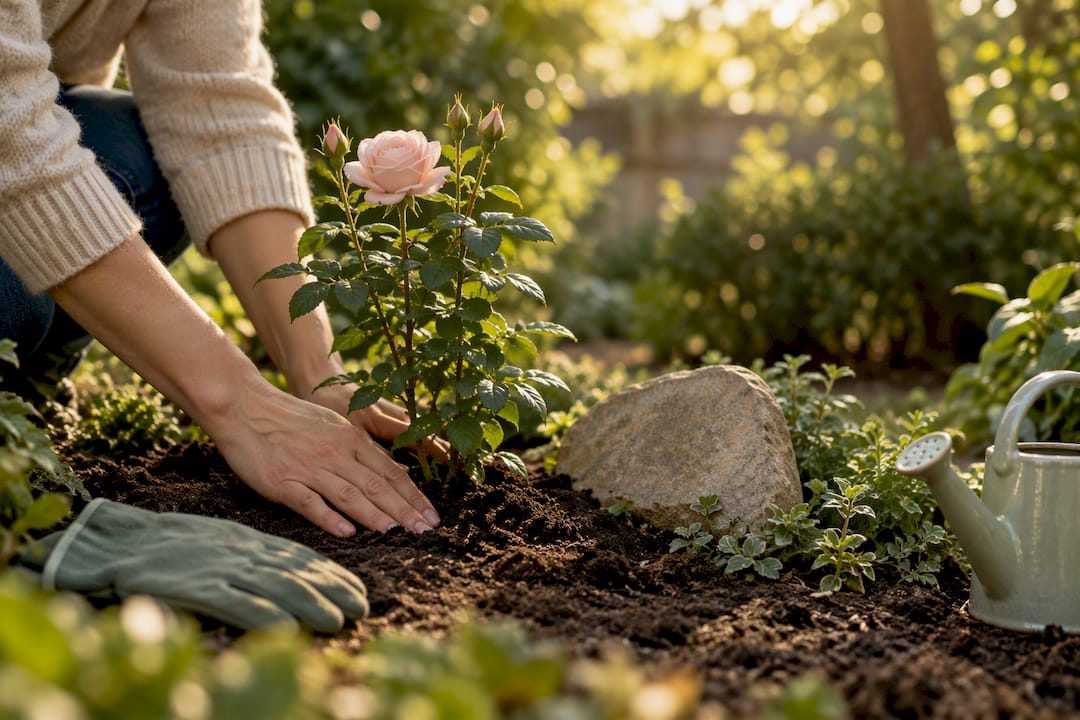
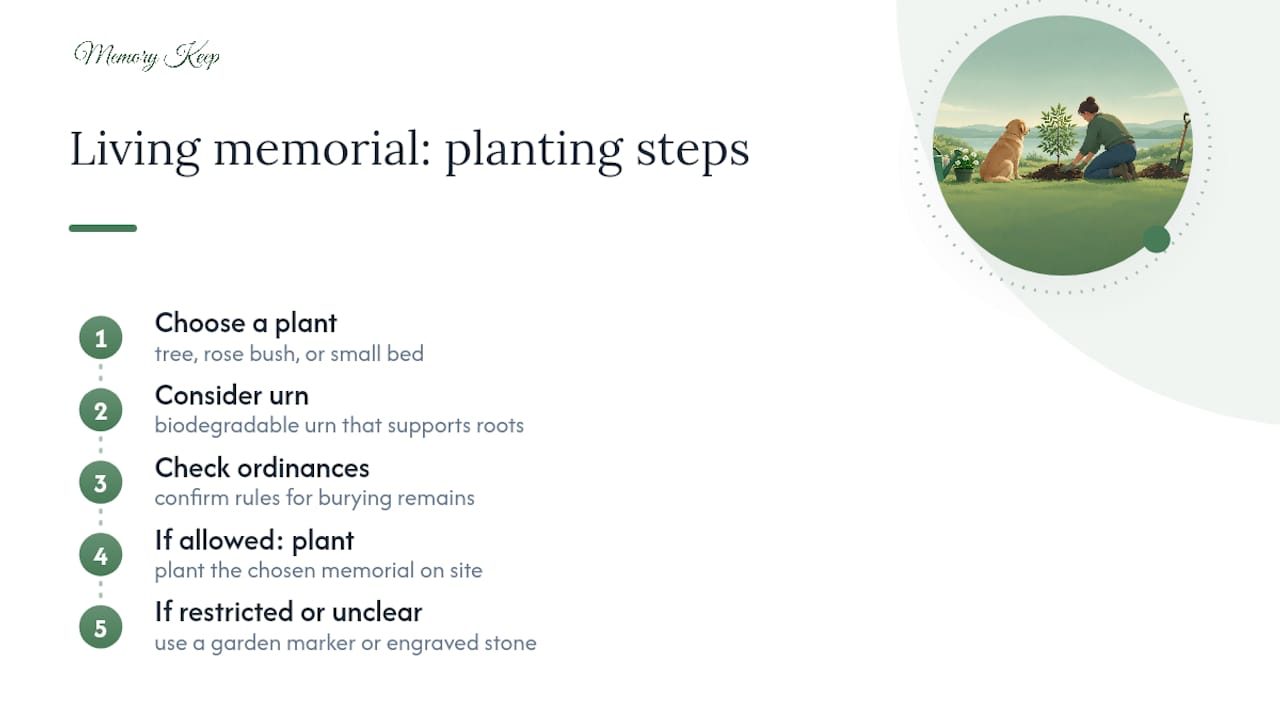
Planting something gives grief a place to keep changing instead of freezing in one moment. A tree, a rose bush, or a small memorial garden bed all work, and many families choose a plant that bloomed or fruited during their pet’s lifetime, which adds a quiet layer of meaning.
If you’re considering a biodegradable planting urn (one designed to hold ashes and support root growth), check your local ordinances first. Some municipalities restrict where cremated remains, even plant-based ones, can be buried on private or shared land. A simple garden marker or engraved stone works as an alternative if planting rules are unclear where you live.
Community and giving
Honoring a pet doesn’t have to be private. A donation to a shelter or rescue in your pet’s name turns grief into something that helps another animal, and many shelters will send a card acknowledging the gift. Sponsoring a kennel for a month, organizing a small memorial walk with other pet owners in your neighborhood, or volunteering a few hours at a local rescue are all ways to keep your pet’s name attached to something ongoing rather than closed.
Creative projects for when you want to build something
- Shadow box. Frame a collar, tags, and a photo behind glass. Costs $20 to $60 for materials and takes an afternoon.
- Commissioned portrait. Custom pet portraits from freelance artists typically run $50 to $300 and take one to three weeks.
- A memorial playlist. Songs that remind you of walks, car rides, or lazy afternoons together cost nothing and take minutes to build.
- A memorial tattoo. Paw prints, names, or small line drawings run anywhere from $75 to $400 depending on size and artist, and healing takes two to three weeks.
Pro Tip: Don’t feel pressured to pick just one idea. A candle lit tonight, a letter written this weekend, and a tree planted next spring can all be part of the same remembrance. Grief isn’t a single event, and neither does the tribute have to be.
How to Choose the Right Kind of Pet Memorial for You
Not every remembrance needs to involve a purchase, and not every purchase needs to happen right away. The right choice depends on three things: how urgent the need feels, how private you want the process to be, and what you can reasonably spend.
- Decide if you need something now or something lasting. A ritual, like lighting a candle or writing a letter, meets an immediate emotional need. A keepsake or living memorial meets a longer one. You don’t have to choose between them.
- Decide who’s involved. Some people grieve best alone. Others need a small circle present. There’s no wrong answer, but naming your preference upfront saves you from planning a gathering you don’t actually want.
- Set a rough budget before you shop. Memorial jewelry and custom portraits vary widely in price, and grief is a vulnerable time to make a rushed financial decision.
- If you’re using a cremation or aftercare service, ask direct questions. What tracking protocol do they use to make sure you get your own pet’s remains back? What materials go into the urn or keepsake? What’s their return or remake policy if something arrives damaged?
- Watch for red flags. A provider that can’t explain their chain-of-custody process, gives vague answers about materials, or pushes you toward an expensive add-on within your first call is worth walking away from.
Pro Tip: If you’re not sure what you want yet, wait. Grief work doesn’t have a deadline, and a keepsake bought in a rush rarely feels right later. It’s fine to light a candle tonight and decide on an urn next month.
Aftercare Guidance Worth Trusting
Your veterinarian is the first and best source for aftercare options, from home burial guidance to cremation referrals. The AVMA recommends asking directly about transparency and tracking practices before choosing a cremation provider, since not every facility handles this the same way.
Facilities accredited by the International Association of Pet Cemeteries & Crematories follow standardized chain-of-custody and best-practice procedures, which is why accreditation is worth checking before you commit to a provider.
A few practical steps make the process smoother:
- Ask your vet for a written aftercare options sheet before you need one, if possible.
- Confirm your pet will have an identification tag through the cremation process, especially for private (individual) cremation.
- Ask about realistic timelines. Most cremations take several days to a couple of weeks depending on the provider.
- Ask whether a viewing is available if that matters to you.
- Request the facility’s written tracking protocol in advance, not after you’ve already paid.
If you’re considering scattering ashes outdoors, check local rules first. Many parks, beaches, and public lands have specific restrictions, and what’s allowed on private property with permission can differ sharply from what’s allowed on public land.
Helping Children Take Part in Remembrance
Children grieve pets deeply, and including them, rather than shielding them, usually helps more. Keep activities simple and let kids choose their own level of involvement.
- Let your child help fill a memory box with a toy, photo, or collar.
- Have them draw a picture of a favorite memory with the pet.
- Plant a seed or small flower together as a living tribute.
- Read an age-appropriate picture book about pet loss aloud, which gives children language for feelings they may not know how to name. Resources on how books support grief processing in children can help you pick one that fits your child’s age.
- Let them pick one keepsake to keep in their own room, which gives them a sense of control during a moment that otherwise feels entirely out of their hands.
Different family members will grieve differently, and a memorial that works for a grandparent might not resonate with a seven-year-old. Building in a few different activities, not just one, tends to give everyone a way in.
Creating a Lasting, Shareable Memorial Online
A candle burns out. A letter stays in a drawer. An online memorial keeps growing, and that matters most for families spread across cities or countries who couldn’t all attend a gathering in person.
Memory Keep offers a permanent, shareable memorial page built specifically for this: unlimited photos, videos, and written tributes, plus space for visiting friends and family to leave their own messages of remembrance. Every memorial gets a unique shareable link and a free scannable QR code, which you can print onto a memorial card, a garden marker, or even a headstone, so anyone who finds the physical keepsake can also see the full digital story behind it. Full feature details, including printable keepsakes and collaborative uploads from family members, are listed on the site.
A simple way to combine both worlds: cast the paw print, plant the tree, or build the shadow box first. Then upload photos of that physical tribute to a Memory Keep page and print the QR code onto the item itself. The guide to QR codes for pet memorials walks through the exact steps.
A Few Trusted Places to Learn More
For veterinary-backed grief guidance, the AVMA’s coping resources are a solid starting point. For questions about cremation standards, the IAOPCC’s accredited member directory helps you find vetted providers near you. The APLB maintains counseling directories for owners who want more structured support. Memory Keep also publishes heartfelt pet memorial ideas and grief-resource guides for anyone who wants more examples.
What We’ve Learned From Watching Families Grieve Well
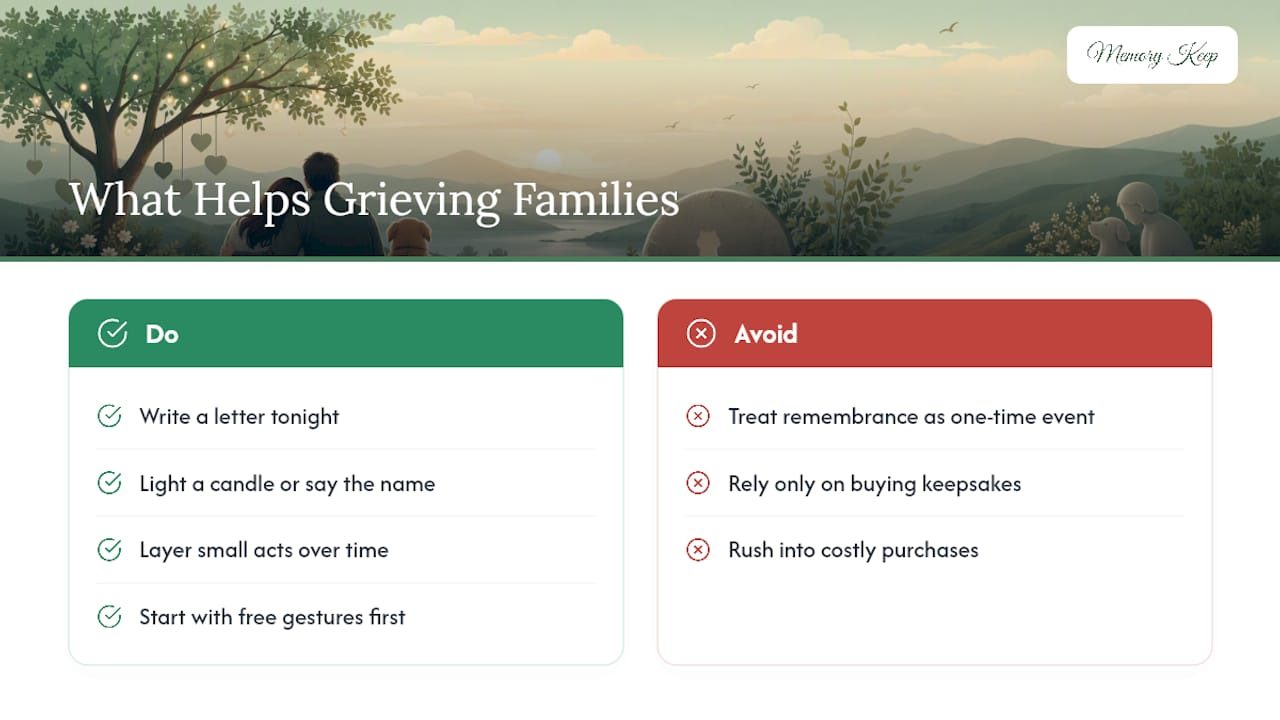
The advice most people get after losing a pet leans too heavily toward buying something. A jewelry ad here, an urn catalog there. What actually seems to matter more, based on what grief organizations like the AVMA and APLB consistently recommend, is the act itself: writing the letter, lighting the candle, saying the name out loud. The keepsake matters, but it’s the container for the feeling, not the source of it.
Where conventional advice falls short is in treating remembrance as a single event, something you do once and then you’re finished. It isn’t. The families who seem to carry their grief best tend to layer a few small things over time: a ritual now, a keepsake next month, maybe a tree next spring. If you’re not sure where to start, start with the free option. Write the letter tonight. The rest can wait until you’re ready.
— Memory Keep
Give Your Pet’s Memory a Permanent Home
Physical keepsakes get lost, damaged, or left behind in a move. A shared photo folder gets buried under a thousand other files. Memory Keep solves the problem those rituals can’t: a single, permanent link where every photo, video, and story about your pet lives in one place, and where family and friends anywhere in the world can add their own memories instead of just hearing about yours secondhand.

Unlike a subscription-based memorial service, Memory Keep uses a one-time payment of $15 to unlock unlimited storage and features for your pet’s memorial page, no renewals, no recurring fees, and no ads running alongside your tribute. The free plan lets you start building the memorial today with limited uploads, so you can see how it feels before deciding whether to upgrade. Print the free QR code onto a memorial marker, a keepsake box, or a card for the next gathering, and anyone who scans it lands directly on your pet’s story. Start a memorial page whenever you’re ready, there’s no deadline on this one.
Sources
- Coping with the loss of a pet | American Veterinary Medical Association (AVMA)
- International Association of Pet Cemeteries & Crematories — National Pet Memorial Day
- Navigating the Loss of a Pet with Colleen Rolland | Association for Pet Loss and Bereavement (APLB)
- Loved
FAQ
How do I honor a pet that has passed away?
Start with a small, immediate ritual, like lighting a candle or writing your pet a letter, then add a lasting keepsake such as a paw print casting, memory box, or piece of memorial jewelry. Living tributes like planting a tree, and community acts like a donation in your pet’s name, work well as longer-term additions. Many families combine several of these rather than choosing just one.
What are some unique pet memorial ideas?
Beyond the standard photo album, families have found meaning in memorial playlists, commissioned pet portraits, shadow boxes with a collar and tags, and small memorial tattoos. Planting-specific biodegradable urns are another option, though it’s worth checking local rules before burying remains on shared or public land. An online memorial page, like the kind Memory Keep builds, lets you pair any of these physical ideas with unlimited photos and video that friends and family can add to over time.
Did my pet know I loved them when they died?
There’s no way to measure this with certainty, but veterinary behaviorists generally agree that animals respond strongly to a familiar voice, scent, and touch, especially in their final moments. Most owners who stay present report their pet visibly relaxing at the sound of their voice, which suggests recognition and comfort even if we can’t call it “knowing” in the way humans experience it.
What should I do with my pet’s belongings after they pass away?
There’s no fixed timeline. Some people keep a collar or leash immediately as a keepsake and donate the rest to a shelter, while others wait months before deciding what to keep. A memory box is a common middle ground: pick two or three meaningful items to preserve, and let the rest go once you’re ready, on your own schedule, not anyone else’s.